
If you own a home in Omaha and you’re thinking about any kind of construction or renovation, Omaha building codes will be part of the conversation.
Understanding it upfront can save you from serious headaches down the road, like having to tear out a finished wall because an inspector flagged unpermitted work.
This covers the permit process, common code requirements, what the Omaha Planning Department actually does, and what happens if you skip steps you shouldn’t skip.
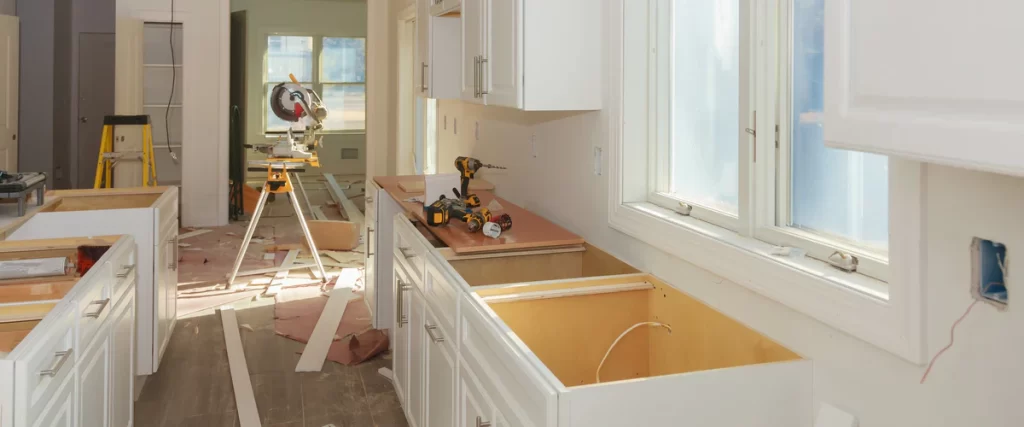
How Omaha Building Codes Actually Work
Omaha follows the International Building Code (IBC) as its foundation, but Nebraska municipalities may adopt local amendments. That means the city has tailored certain sections to reflect local conditions, construction practices, and community priorities.
The Omaha Municipal Code is where all of this is officially documented. You can reference it directly through the City of Omaha’s official website, which keeps updated versions accessible to the public.
One thing worth knowing early on: codes get updated. What was compliant five years ago might need revisiting today, especially if you’re adding a room, finishing a basement, or changing how your house handles egress.
What Requires a Permit in Omaha?
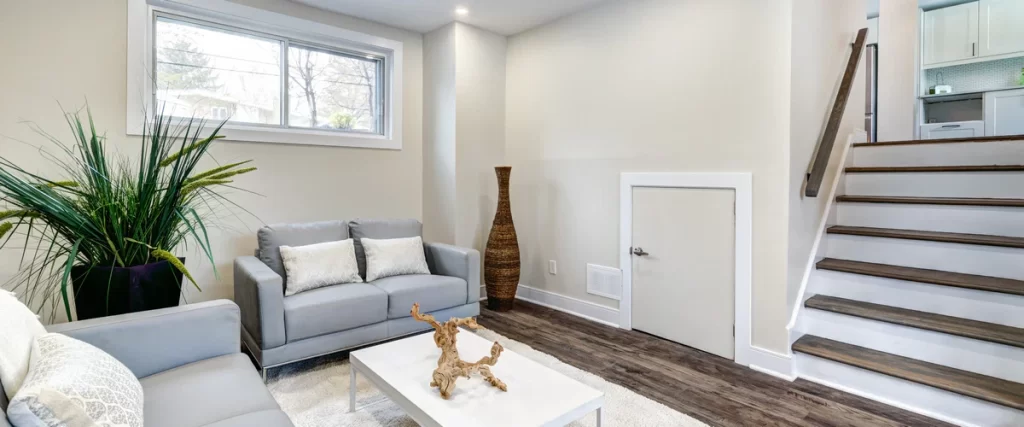
Not every project needs a permit, but more do than people expect.
Generally, you’ll need a permit for:
- New construction or additions
- Structural changes to an existing house
- Electrical, plumbing, or HVAC work beyond minor repairs
- Finishing a basement
- Building a deck over a certain height
- Installing a fence
Painting a room or replacing flooring? You’re fine without one. But the moment you start moving walls or touching your electrical panel, you need permits.
The Omaha Planning Department handles permit applications. You can apply online through their portal, which has made the process more accessible in recent years.
If you’ve never done it before, expect to create an account, submit your project details, and in some cases provide drawings or site plans.
The Inspection Process
Getting the permit is step one. After that, inspections are part of the deal.
City inspectors will come out at various stages of your project. For example, framing has to be inspected before drywall goes up, and rough-in plumbing needs a sign-off before walls close. It’s how the city verifies that construction is actually safe and that the work meets code.
If an inspection fails, you must fix the issue and schedule a re-inspection. It adds time, but it’s better than having non-compliant work in your home that causes problems when you go to sell.
Common Code Requirements for Residential Projects
Here’s a quick reference for some of the residential requirements that come up most often:
| Project Type | Key Code Consideration |
| Basement Finish | Egress window required in sleeping areas |
| Deck Construction | Ledger attachment, footing depth, railing height |
| Electrical Work | Arc-fault protection required in most living spaces |
| Bathroom Addition | Ventilation requirements, plumbing access |
| Room Addition | Energy compliance, insulation R-values |
| Garage Conversion | Fire separation wall between garage and living space |
Egress is one of the more frequently misunderstood requirements. If you’re adding a bedroom in your basement, there must be a window large enough for a person to escape through in an emergency. This is non-negotiable under code, and inspectors check for it every time.
Contractors and Code Compliance
Hiring a licensed contractor doesn’t automatically mean you’re off the hook. As a homeowner, you share responsibility for making sure work on your property is permitted and compliant.
Good contractors will pull permits on your behalf and coordinate inspections. If someone tells you permits aren’t necessary or that they’ll “handle it quietly,” that’s a red flag.
Working with experienced professionals who understand local amendments and requirements, like the team at Pritch Remodeling, means you’re not navigating the complexity of code compliance on your own.
Nebraska State-Level Oversight

Beyond city-level requirements, it’s worth knowing that Nebraska has state-level oversight for certain aspects of construction. The Nebraska Department of Labor handles contractor registration and oversees safety standards that connect with local code enforcement.
It’s worth knowing that registration and licensing are not the same thing. In Omaha, actual contractor licensing, which includes insurance minimums and city-specific requirements, is handled by the city’s Permits and Inspections office.
For specialized trades like electrical work, licensing falls under the Nebraska State Electrical Division, which operates separately from the NDOL. Their site is a useful reference if you have questions about contractor credentials or worker safety standards on residential projects.
This is especially relevant if your project involves subcontractors for specialized work, such as electrical or mechanical systems.
What Happens If You Skip Permits?
Homeowners sometimes skip permits to save time or money. The short-term logic makes sense, but the result rarely does.
Unpermitted work can:
- Void your homeowner’s insurance for related claims
- Create legal liability if you sell the home
- Require costly demolition and reconstruction to bring into compliance
- Result in fines from the city
The Omaha building enforcement process does follow up on complaints, and neighbors do report unpermitted construction. It’s not worth the risk.
FAQ: Omaha Building Permits and Codes
How long does it take to get a building permit in Omaha? It depends on the project. Simple permits can be issued same-day or within a few business days through the online system. Larger projects that require plan review can take several weeks. It’s a good idea to apply early so you don’t delay your construction start date.
Do I need a permit to replace my roof in Omaha? Yes, a permit is typically required for roof replacement in Omaha. It’s one of the more commonly overlooked permits, but inspectors do check for proper installation and compliant materials.
Can I do my own electrical work in Omaha? Homeowners can perform certain electrical work on their own primary residence, but a permit is still required, and the work must pass inspection. Hiring a licensed electrician is generally recommended for anything beyond simple fixture swaps.
What are the egress requirements for basement bedrooms in Omaha? Any basement room used as a sleeping area must have an egress window that meets minimum opening dimensions. The opening must be at least 5.7 square feet, with specific requirements for width and height. The sill height from the floor cannot exceed 44 inches.
How do I find out if previous work on my home was permitted? You can search permit history through the Omaha Planning Department’s online portal. This is worth doing before you purchase a home or before starting a renovation that might interact with older work.
What is the Omaha Municipal Code, and where can I access it? The Omaha Municipal Code is the compiled set of local laws governing everything from land use to construction standards. You can view it on the city’s official website.
Closing Thoughts on Omaha Building Codes
Understanding Omaha building codes is genuinely useful if you’re planning any residential project. It helps you budget correctly, hire the right people, and avoid the kind of surprises that derail timelines and budgets.
That said, managing permits, coordinating inspections, interpreting local amendments, and making sure everything is up to code takes time and experience that most homeowners simply don’t have.
If you’d rather focus on the result than the process, call us at (402) 677-6401 or message us here. We handle the compliance side so you don’t have to.