
Water in your basement is one of the fastest ways to turn a normal Tuesday into a stressful, expensive mess.
If you’re standing there looking at a flooded basement, cut the power, stay out of the water until you know it’s safe, and start removing it as fast as possible. The longer you wait, the worse it gets.
But there’s a lot more to it than that. This post covers exactly what to do in those first panicked hours, what causes basement flooding in the first place, and how to keep it from ever happening again.
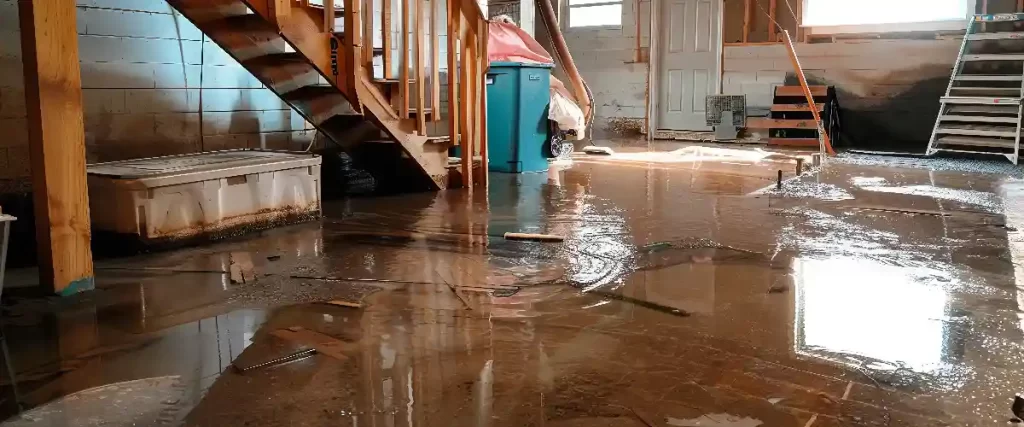
Your First Steps When the Basement Floods
The very first thing you need to do is make sure it’s safe to go down there.
- Cut the electricity. If water is anywhere near your electrical panel, outlets, or appliances like water heaters, do not enter. Call your utility company and have them shut off power to the house first. Electricity and standing water are a deadly combination.
- Put on rubber boots and gloves. Even if the flooding came from rain or a burst pipe, you don’t always know what’s in that water. Sewer backups can occur, and contaminated water poses serious health risks.
- Figure out the water source. Is it still coming in? If a pipe bursts, shut off your main water supply immediately. If it’s coming through the foundation walls or floor drain during a heavy storm, you can’t stop the source, but you can start moving water out.
- Call your insurance company. Do this early. Document everything with photos and video before you start removing anything. Homeowners insurance policies vary a lot in what they cover for flood damage, so the sooner you loop them in, the better.
Removing the Water
Once it’s safe to be down there, the water removal process starts. Don’t wait on this. Mold growth can begin within 24 to 48 hours of flooding.
Here’s what most homeowners use to pull out excess water:
- Sump pump (if you have one and it’s working, this is your best tool)
- Wet/dry shop vacuum for smaller amounts of standing water
- A submersible pump rented from a hardware store for serious flooding
- Mops and towels once the bulk of the water is gone
After most of the water is out, the drying process is just as important.
- Rent industrial fans and a dehumidifier if you can.
- Open windows when the weather permits to boost air circulation.
- Pull up any wet items, including rugs, cardboard boxes, and damaged items that are holding moisture.
The concrete basement floor takes longer to dry than it looks. Even when it feels dry on top, moisture can stay trapped underneath.
Common Causes of Basement Flooding
Understanding why your basement flooded helps you fix the right problem, not just clean up the symptom.
| Cause | What’s Happening | Fix |
| Heavy rain / surface water | The ground can’t absorb water fast enough | Improve grading, add a French drain |
| Burst pipe | Pipe failure from pressure or freezing | Call a plumbing contractor |
| Sewer backup | Blockage or an overwhelmed municipal system | Install a backwater valve |
| Window wells | Water pooling outside the basement windows | Add covers or improve drainage |
| Foundation cracks | Water pressure pushing through the floor slab or walls | Seal cracks, waterproof interior |
| Clogged gutters | Water spilling near the foundation | Clean gutters, extend downspouts |
| Tree roots | Roots invading and cracking PVC pipes | Camera inspection, pipe repair |
Most basement flooding comes down to one of two things: water finding a way in from outside, or a failure somewhere in your plumbing. Knowing which one you’re dealing with changes everything about how you respond.
How to Prevent Basement Flooding
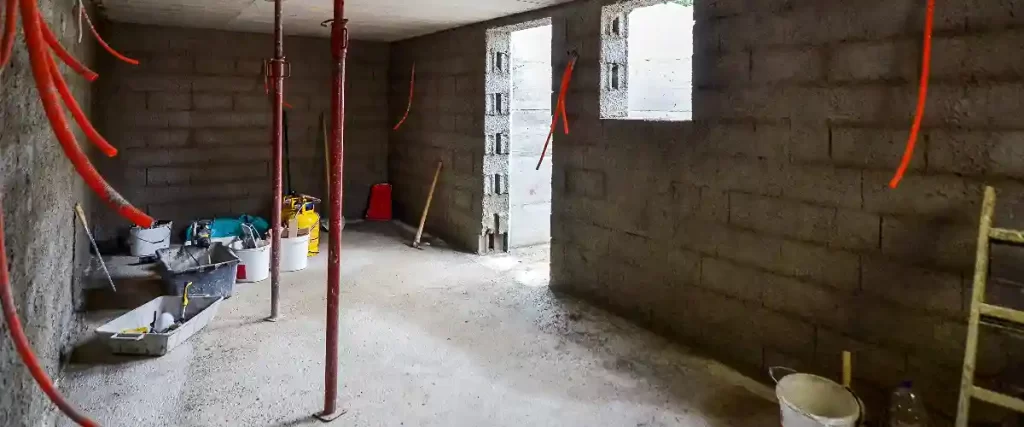
Fix Your Grading and Drainage
The ground around your house should slope away from the foundation, not toward it. If your yard is flat or pitches inward, rainwater has nowhere to go except down along your walls.
A French drain or regrading the soil around the foundation can make a huge difference.
You should also clean your gutters at least twice a year. Water overflowing from clogged gutters dumps right next to your foundation and soaks in.
Waterproof Your Basement
There are two approaches: interior and exterior waterproofing. Interior systems manage water that gets in. Exterior systems stop it before it reaches your walls.
Both can work, and often the best solution uses a combination.
Sealing cracks in your foundation walls and floor slab is a good starting point. For more serious or recurring flooding, a professional waterproofing system with a sump pump and drainage channel is often the right move.
Get a Sump Pump (Or Maintain the One You Have)
If you don’t have a sump pump, seriously consider installing one. If you do have one, test it regularly, especially before heavy storm season.
Pour water into the pit to make sure the float activates, and the pump runs. A battery backup sump pump is also worth having for power outage situations during storms.
Check Your Pipes
Older homes sometimes have cast-iron or clay pipes that tree roots love to invade. A plumbing contractor can run a camera through your drains to check for blockages or damage. It’s a cheap inspection compared to dealing with a sewer backup in your basement.
The Environmental Protection Agency (EPA) also has solid guidance on managing stormwater and protecting your home’s foundation from water damage.
Should You Handle Cleanup Yourself or Call a Professional?
Light flooding from a clean water source, such as a burst supply line, is something many homeowners can handle on their own. You can dry it out quickly, document the damage, and handle repairs from there.
But there are situations where you really do need professional help:
- If the water is from a sewer backup (contaminated water is a health hazard)
- If flooding is extensive and has soaked into walls, insulation, or flooring
- If you find mold during the cleanup
- If the cause is a foundation issue
Hiring a contractor who specializes in water damage restoration means bringing in industrial drying equipment, moisture meters, and mold treatment. These are things most homeowners don’t have on hand.
FEMA’s flood cleanup guidance is a useful resource if you’re navigating the process and wondering what’s safe to salvage.
FAQ: Basement Flooding Questions Homeowners Ask
How long does it take to dry out a flooded basement? With fans and a dehumidifier running, a moderately flooded basement typically takes 3 to 5 days to dry completely. Larger floods or finished basements can take longer.
Does homeowners’ insurance cover basement flooding? It depends on the cause. Most standard homeowners’ insurance policies cover sudden water damage from a burst pipe but exclude flooding from heavy rain or groundwater. Separate flood insurance through the National Flood Insurance Program (NFIP) covers storm-related flooding.
What if my basement floods every time it rains? That’s usually a drainage or waterproofing issue. Chronic flooding after heavy rain points to grading problems, a failing sump pump, foundation cracks, or inadequate drainage around the house.
Can I stay in my house with a flooded basement? In most cases, yes, as long as your power is off to the affected area and you aren’t using the basement. However, if the flooding involves sewage or mold has begun to grow, consider staying elsewhere until cleanup and repairs are complete.
How do I find standing water I can’t see? Use a moisture meter to detect standing water or hidden dampness behind walls, under floors, or in insulation. Many water damage restoration companies offer free inspections and can detect hidden moisture you might miss.
What’s the first thing I should replace after a basement flood? Start with anything porous that stayed wet, including carpeting, drywall, and insulation. These materials hold moisture and become a breeding ground for mold. Hard surfaces, like a concrete basement floor, can often be saved if dried out quickly.
A Better Option Than Dealing With All of This Yourself
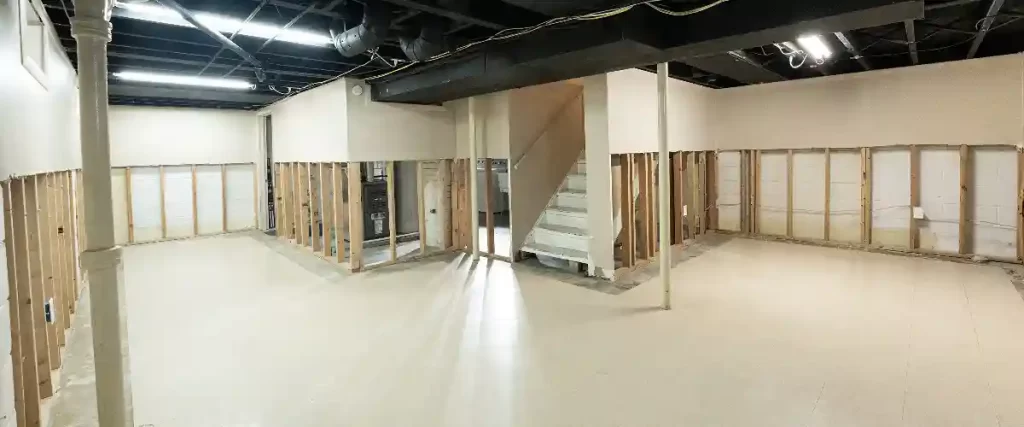
Basement flooding is stressful, time-consuming, and the repair process can drag on for weeks if you’re managing it alone. Between water removal, drying, mold checks, foundation repairs, and figuring out what your insurance covers, it adds up fast.
If you’re in the Omaha area and want someone to handle the hard part, our team at Pritch Remodeling works with homeowners on exactly this kind of project, from assessing flood damage to full basement waterproofing and remodeling.
Call us at (402) 677-6401 or message us here to get started.