
That thin line running across your basement floor probably caught your eye weeks ago, and now it keeps nagging at you every time you walk by.
Here’s the short answer: not every basement floor crack is a disaster waiting to happen, but ignoring them all is a mistake.
What causes basement floor cracks, when should you start worrying, and what can you actually do about them? This post covers all of that, including how to tell the harmless ones from the ones that need immediate attention.
1. Concrete Shrinkage During Curing
When concrete is first poured, it contains a lot of water. As it cures, that water evaporates, and the slab shrinks slightly as it dries. That shrinkage creates internal tension in the concrete, and when the tension becomes too great, the slab cracks.
These are typically hairline cracks, narrow and shallow, running in somewhat random directions. They usually appear within the first year after a basement floor is poured, sometimes even longer, depending on humidity levels.
So, are they dangerous? Usually not structurally. But even hairline cracks should be sealed if they’re wider than 1/8 inch, because moisture, soil odors, and radon gas can still seep through.
How to fix it: Small shrinkage cracks can be filled with epoxy or polyurethane crack injections. For anything wider, a concrete patching compound works well. The key is to seal them before water intrusion becomes routine.
2. Soil Settlement Beneath the Slab
After a house is built, the soil beneath the foundation continues to compress and shift over time. When a section of the concrete slab loses support from below, it cracks under its own weight and the load of the home above it.
Settlement cracks tend to follow a straighter path and are often wider than shrinkage cracks. In some cases, one side of the crack is higher than the other, indicating the slab has shifted, not just cracked. That kind of uneven surface becomes a tripping hazard fast.
A few things accelerate soil settlement:
- Poor compaction during original construction
- Nearby tree root activity pulling moisture from the soil
- Underground plumbing leaks eroding the soil
- Excavation work that disturbs surrounding ground
How to fix it: Minor settlement cracks can be patched with hydraulic cement or epoxy filler. But if the floor is visibly uneven, that’s a job for a foundation expert. Polyurethane foam injection, also called slab lifting, is a common method for filling voids and re-leveling sunken sections without a full slab replacement.
3. Hydrostatic Pressure and Water Intrusion
When the soil around and beneath your home becomes saturated with water, whether from heavy rain, a high water table, or poor drainage, it builds up pressure. That pressure pushes up against the bottom of your concrete basement floor, and eventually, something has to give.
Cracks from hydrostatic pressure are often wider and may allow water to seep through after heavy rainfall. You might also notice moisture pooling on the floor, even without visible cracks, indicating that water is seeping in through porous concrete.
Here’s something most homeowners don’t immediately connect: unsealed basement floor cracks are a known entry point for radon gas.
The EPA’s radon entry page explains how radon moves up through the ground and into homes through cracks and other holes in the foundation, where it can build up to dangerous levels indoors. Worth reading if you haven’t thought about this before.
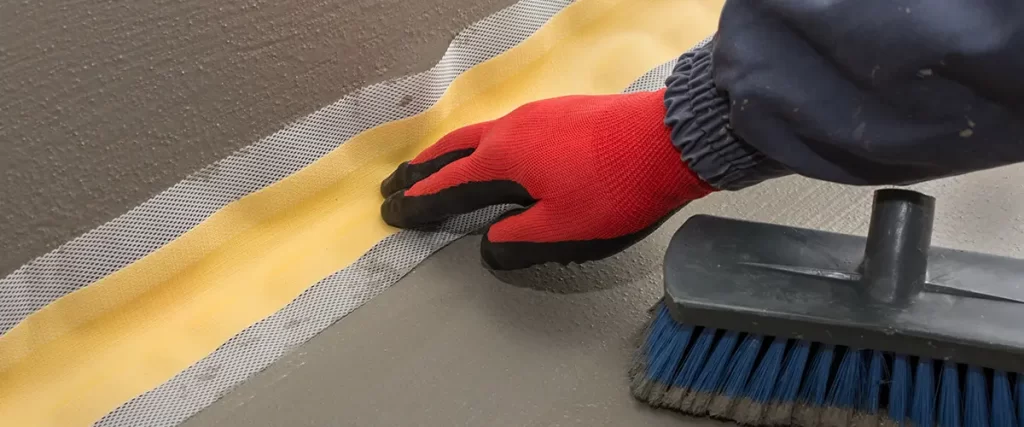
How to fix it: A sump pump helps manage groundwater before it builds up enough pressure to damage the slab. Inside, crack injections and waterproof sealers can stop active seepage. If you’re planning a basement remodeling project, this has to be addressed before any flooring, insulation, or drywall goes in.
4. Frost Heave and Expansive Soil
In climates where the ground freezes in winter, soil moisture freezes and expands, lifting sections of the basement slab from below. That upward force, called frost heave, creates cracks that often appear in a circular pattern around the affected area.
A similar issue happens with clay-heavy soils. Clay soil absorbs water and expands enough to lift and crack a concrete slab floor, making heaving especially common in areas where clay dominates the soil composition.
Unlike shrinkage cracks, heaving cracks tend to be wider, more irregular in shape, and often accompanied by a visibly raised section of floor. If you press down on the cracked area and it feels springy or unstable, that’s a red flag.
How to fix it: Heaving is not a DIY repair. A structural engineer or foundation expert needs to assess the extent of the movement, what’s causing it, and whether the slab can be stabilized or needs to be replaced.
5. Poor Workmanship During the Original Pour
A concrete mix that was too wet, insufficient steel mesh or rebar reinforcement, missing or incorrectly placed control joints, and inadequate curing conditions can all result in a slab that’s prone to cracking from day one.
Failure to tie the concrete floor to the foundation wall with steel reinforcement during the original pour can lead to cracks up to half an inch wide at the joint where the floor meets the wall.
These kinds of cracks often appear earlier than expected and in more locations than typical shrinkage would. They’re also harder to permanently fix because the underlying weakness is structural.
How to fix it: If poor workmanship is the root cause, surface-level patching buys time but doesn’t solve the problem. In severe cases, pouring a new slab, or at a minimum, a thin layer of concrete resurfacer over steel mesh reinforcement, is the more reliable long-term path.
FAQ: Basement Floor Cracks
Are cracks in a basement floor normal?
Yes and no. Minor hairline cracks from concrete shrinkage are extremely common and happen in nearly every home. What’s not normal is cracks that are growing wider, cracks with water seeping through them, or cracks where one side of the floor sits higher than the other.
When should I call a structural engineer about basement floor cracks?
If you notice heaving, uneven floor levels, cracks wider than 1/4 inch, or cracks that have appeared recently and are growing, that’s the point to bring in a professional. The same goes if you’re seeing cracks in your basement walls alongside floor cracks, since that combination can point to a larger foundation issue.
Can basement floor cracks let in radon?
Yes. Even small cracks in a concrete basement floor can serve as an entry point for radon gas from the soil below. Sealing cracks is one part of a radon reduction strategy, but it should be combined with proper ventilation or sub-slab depressurization if levels are elevated.
How much does it cost to repair basement floor cracks?
It depends heavily on the cause and severity. Simple crack injection for cosmetic hairline cracks might run a few hundred dollars. Slab lifting and stabilization for settlement issues can be significantly more. Getting a professional assessment before committing to any repair is the right move.
Can I finish my basement if there are cracks in the floor?
Not without addressing them first. Moisture that enters through basement floor cracks can cause mold growth, warp flooring materials, and damage drywall from below. Any crack, even a small one, should be evaluated and sealed before flooring or insulation goes in.
Skip the Headache Entirely
For most homeowners, the smarter move is just having someone who does this every day take a look.
Whether your basement floor has a crack you’ve been staring at for months or you’re planning a full basement remodel and want to make sure everything is solid before you start, the team at Pritch Remodeling can help. Call us at (402) 677-6401 or message us here.